Knowledge Base: every IMA species + discussions on articles
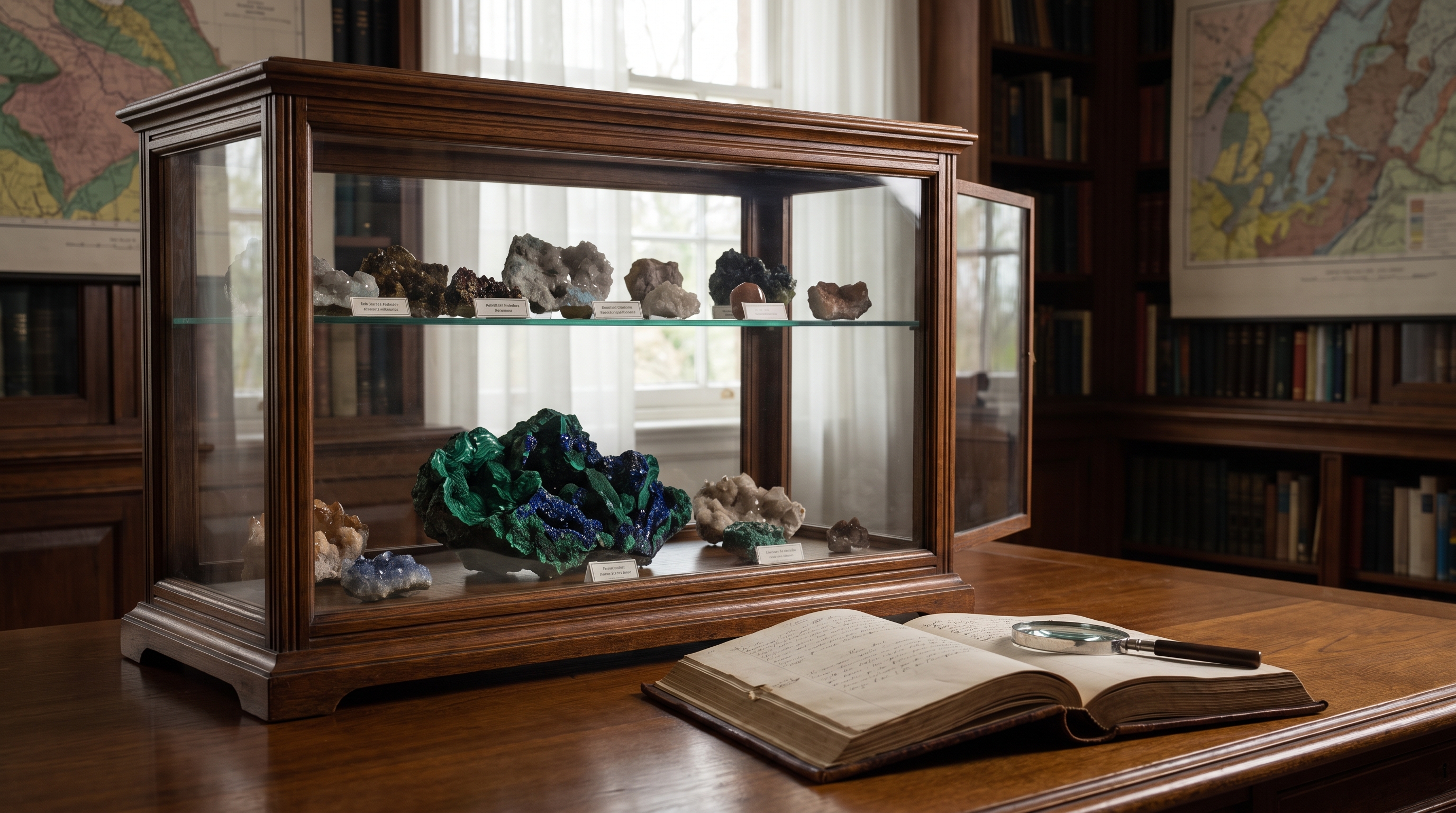
The IMA species corpus in the Knowledge Base was drafted with AI on controlled prompts - a base for shared verification, not a finished encyclopaedia. Plus publ
Two announcements in one day - both sat on the "someday" list for a long time.
First: the Knowledge Base now has a complete set of species articles aligned with IMA nomenclature - over 6500 pages.
Second: we launched discussions on article sections, plus a way to mark that a section looks OK. A calm path to flag an error, ask for a source, suggest a fix, or confirm that the text holds up.
In short
- 6500+ IMA species articles
- Drafted with AI on tightly controlled prompts - a base, not a final verdict
- Discussion on a specific page section (not a general forum)
- Section OK votes (community verification)
- All threads: /baza-wiedzy/dyskusje
The IMA corpus - and what "complete" really means
If you look up an IMA-recognised species, you should find it here.
This is not a dry name list. These are pages with description, properties, diagnostic notes, rarity, and collector context - linked to the shop and the Collector Panel.
The IMA list keeps moving. New species appear regularly. "Complete" means: the current corpus is in the Knowledge Base. We will add new entries as official updates land.
"Complete" does not mean "every line already checked by editors and the community". It means we have a full starting base to work from.
How the articles were made
Let us say it plainly: the first versions of these articles were written with AI.
That does not mean "type a name and publish whatever comes out". The work ran on tightly controlled prompts, in a repeatable section schema, with the explicit assumption that the result is a base draft - a starting point for reading, correcting, and confirming, not a finished monograph of the species.
That is why articles show a verification status. Sections (except name and photo) can be marked OK. A few independent confirmations verify a section; when every present section is OK, the whole article can become Verified.
How fast the whole base moves from "draft" to "checked" depends on the community. One person can do it alone, unpaid, after hours - and then it takes years. Or many readers report doubts, fixes, and OKs - and the base matures much faster.
A note on AI
Early language models earned their scepticism. Hallucinations, a confident tone over uncertain facts, polished sentences with no factual footing - those are real risks, not a myth.
The tools have moved on a lot since then. Criticism of AI is useful when it speaks to a specific text and a specific way of using the tool, not to a picture of the technology from several years ago. Models are still not an oracle. They are a tool: with a careful process they give a fast, broad start; without verification they remain only text that still needs checking.
So the choice, in practical mineralogy, is awkwardly simple. You can refuse AI and spend years without a full, coherent working base. Or you can use AI deliberately - on controlled prompts, with an open verification status - and in a few months stand up a complete base that is then cleaned, step by step, of errors and doubts.
We chose the second path. We would rather say that out loud than pretend that 6500 articles were written at night by an invisible editorial team.
Why discussions and OK votes
A catalogue without a correction path ages fast. A catalogue without a "this looks fine" signal also cannot tell what has already been checked.
So next to an article section (description, properties, diagnostic, plus photo and header) you will find Discuss. You can also mark a section OK when the text looks sound.
The thread is about that part of the page. Other readers can see it. Editors can close it with a note, or hide content when needed.
Rules: Terms §17b.
How to start
- Open a species in the Knowledge Base.
- On the section you care about, tap Discuss or mark OK.
- Start a thread or reply to an open one.
- Or browse everything on the discussions page - each link opens the exact thread.
Reading is public. Posting and OK votes need an account and a confirmed email.
Private or public
Report an error on this page goes only to the team.
Section discussion is visible to others.
You may use either or both. Threads also have a separate Report button - for Terms violations, not for ordinary factual fixes.
What is next
Finishing the IMA corpus closes a major build phase. Now the focus is quality in use: photos, translations, fixes from discussions, OK votes, and tighter links between articles and specimens.
Spotted an inaccuracy? Open a section discussion. Or send a private report. See a solid section? Mark OK. An encyclopaedia only works when it can be tended together.