A Gathering or a Collection? How (Not) to Lose Your Mind in the World of Minerals
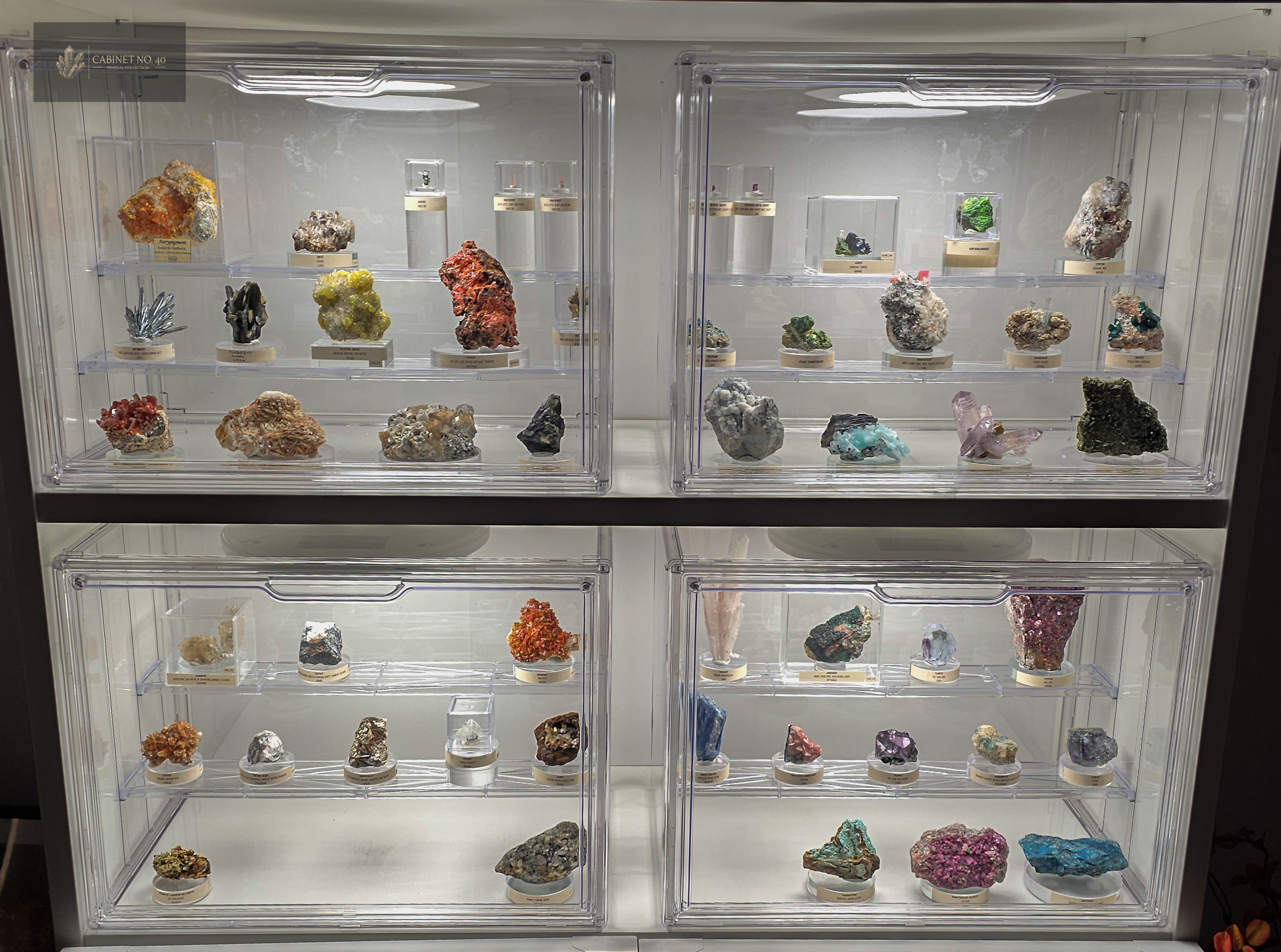
For many of us, it starts the same way. One quartz from a trip, a tourmaline bought at a gem show because it "glowed nicely," then another rough chunk. Before y
For many of us, it starts the same way. One quartz from a trip, a tourmaline bought at a gem show because it "glowed nicely" then another rough chunk. Before you know it, your desk, shelves, and nightstands are cluttered with stones that don't match, and you feel that although you have many, you still don't have a "collection". Or, you want more, but there's simply no more room :D
I believe that collecting is a creative process. It's about building a system. But for a system to work, it needs rules.
The "I want everything" phase – is it a mistake?
I think everyone goes through this. At the beginning, I bought rough chunks just to get to know another mineral. But at some point (for me, it happened when I started scrolling through photos of specimens instead of TikTok), an epiphany comes: the space in your home and the budget in your wallet have limits. Nature, however, clearly does not.
If you don't choose a direction, you will drown. And your display case, instead of delighting you, will start to overwhelm you.
How to find your "Absolute"?
Choosing a direction isn't a prison - it's a compass. Here are the most popular paths taken by collectors worldwide:
Locality
You can collect only what comes from a specific place.
Classics: You focus on historical localities (e.g., Tsumeb in Namibia or old mines in Romania). These are specimens that only gain value over time because their sources have long been closed.
Local Patriotism: You collect only minerals from your home country. This is a fascinating path because it allows for independent field trips.
Specific Location: Is your choice Brazil, Australia, or Germany? If specimens from a particular place in the world especially move you, then this is an excellent direction.
Systematics and Groups
You choose a specific chemical group or mineral family.
Are you into silicates? Or maybe you want to have every possible variety of fluorite? Focusing on one group allows you to become an expert. You'll quickly start noticing nuances in the matrix or crystal "habits" that others don't see.
Size
This is my favorite point. The size of the specimen dictates how it is cataloged and displayed:
Cabinet: Large, representative specimens. They look stunning but take up a lot of space.
Thumbnails (3x3 cm boxes): The perfect balance between detail and space-saving.
Micromounts: The world under a microscope. Here, beauty is hidden in miniature forms that are often more perfect than their giant cousins.
Aesthetics and Morphology (That certain something)
This is the path for those driven by nature's design. Here, rarity doesn't matter as much as form. You look for perfectly formed faces, interesting twins, and color contrasts between the crystal and the matrix. The specimen simply has to be a "sculpture".
My path: From chaos to Thumbnails
Today, in my private display cases, I focus on thumbnails and micromounts from classic localities. Why? Because they give me deep peace. They are organized, consistent in form, and cataloging them is pure pleasure for me. When I sit down at the microscope, I can disappear for hours. For me, this microworld is absolutely captivating and offers huge possibilities - Mother Earth "produced" many minerals only in this form.
What if you don't know yet?
If you're facing a decision, don't rush. But start observing your reactions:
Do you enjoy it more when a specimen has a long history and a rare locality?
Does your eye always drift toward a specific color?
Are you frustrated by the lack of shelf space?
The answers to these questions are your direction.
A collection is not a race. It's a system meant to give you focus and joy. We at Cabinet No. 40 are here to help you build it.