Sal ammoniac
Chemical formula: N<sup>3-</sup>H<sub>4</sub>Cl
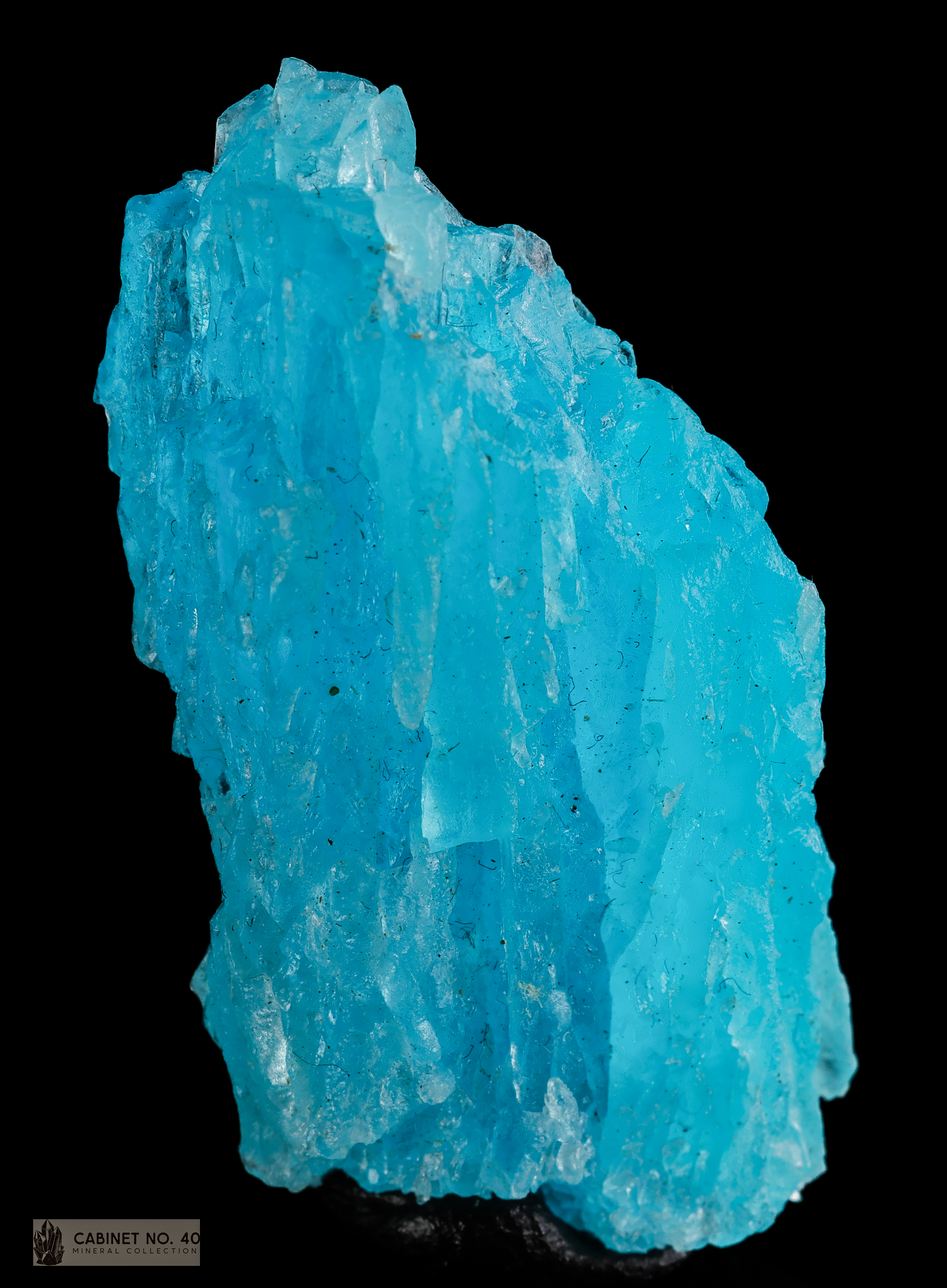
Sal ammoniac is a rare mineral, a natural form of ammonium chloride, usually occurring as efflorescences and crusts.
Properties
- Mohs hardness
- 1-2
- Color
- Colourless, White, sometimes yellow or brown.
- Luster
- Szklisty
- Streak
- Biała
- Density
- 1.532
- Cleavage
- Imperfect on {111}.
- Fracture
- Conchoidal
- Transparency
- Transparent
- Crystal system
- Isometric
Diagnostic features
## Identification Sal ammoniac can be identified by its low hardness, easy solubility in water, and characteristic salty-bitter taste (although tasting minerals is not recommended). It often occurs as efflorescences and crusts. ## Distinguishing from Similar Minerals Sal ammoniac can be confused with other minerals that form white efflorescences, such as halite or gypsum. It differs from halite by its lack of distinct cleavage and lower hardness. It differs from gypsum by its solubility in water and taste. ## Crystal Forms Sal ammoniac crystals are usually small and in the form of cubes or octahedra. However, it is more commonly found as crusts, efflorescences, fibrous aggregates, or stalactitic growths.
Geological environment
## Genesis Sal ammoniac is a secondary mineral, formed by the sublimation of volcanic gases, especially in fumaroles and solfataras. It can also form as a result of coal dump fires and in places where organic matter decomposes, e.g., in caves where bat guano is present. ## Mineral Associations Sal ammoniac often co-occurs with other fumarolic minerals, such as native sulfur, realgar, orpiment, and with minerals formed as a result of coal dump fires. ## Localities Known localities for sal ammoniac include Vesuvius in Italy, the volcanoes of Kamchatka in Russia, as well as some coal dumps in Poland (e.g., in the Wałbrzych region) and Germany.
Rarity
Rare
For collectors
## Quality Criteria Well-formed, transparent sal ammoniac crystals are most valued by collectors. Large, clear specimens with distinct crystal forms are rare and sought after. Specimens with interesting mineral associations also increase their value. ## Popular Localities Specimens from Vesuvius are historically important but rarely available. Contemporary specimens mainly come from active volcanic areas and from sites of coal dump fires.
Care and storage
## Cleaning Sal ammoniac is very sensitive to water, so wet cleaning is not recommended. Specimens can be gently dusted with a soft brush or compressed air. ## What to Avoid Contact with water and moisture must be absolutely avoided, as sal ammoniac readily dissolves in it. The mineral is also sensitive to high temperatures, which can cause it to sublime. Exposure to direct sunlight is also not recommended. ## Storage Sal ammoniac should be stored in a dry environment, preferably in a sealed container, to protect it from atmospheric moisture. An ideal location is one with a stable, moderate temperature, away from heat sources and light.