Pyknite
Chemical formula: Al₂(SiO₄)(F,OH)₂
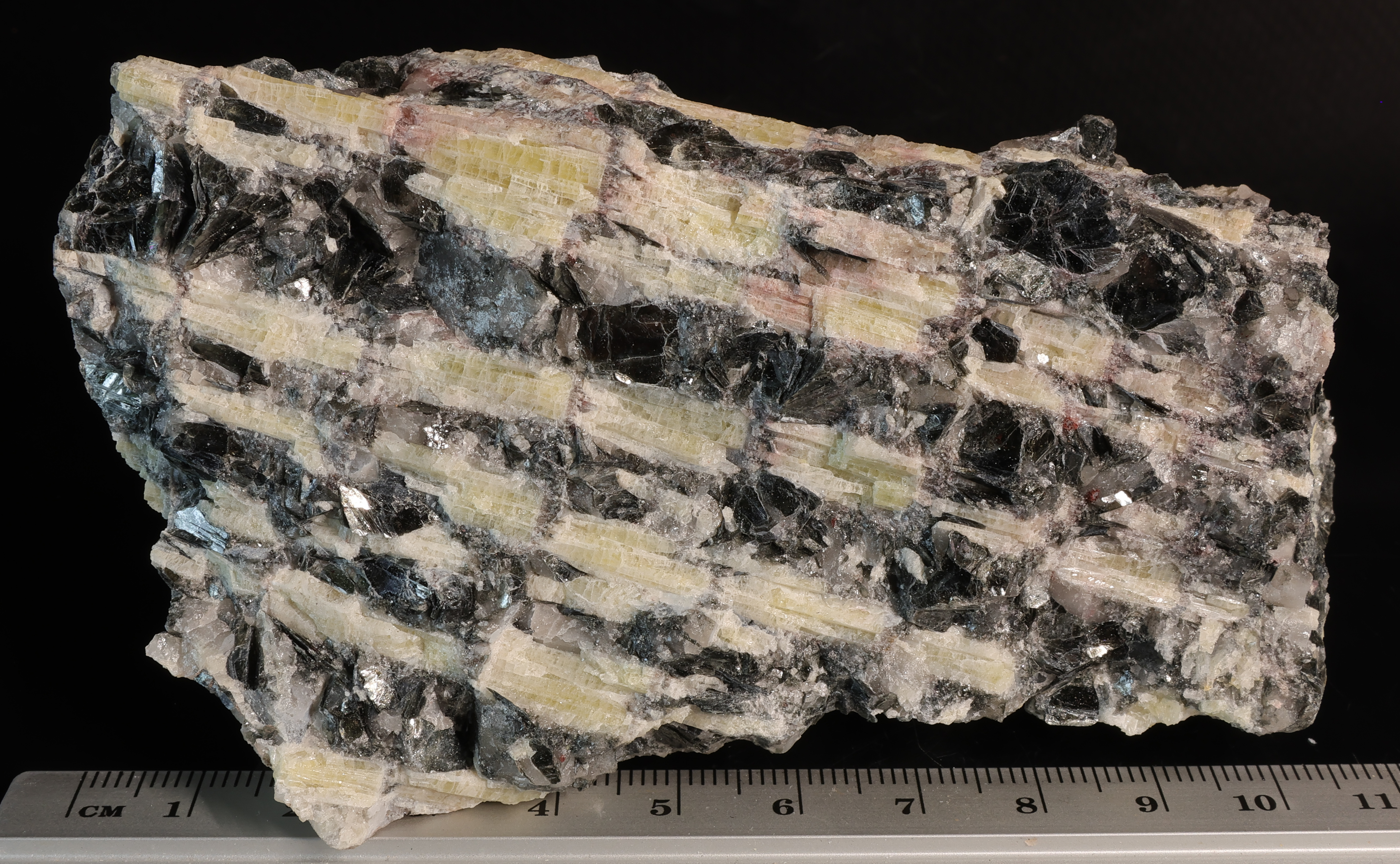
Pyknite is a variety of topaz characterized by acicular or columnar crystal habit, often occurring in parallel aggregates.
Properties
- Mohs hardness
- 8
- Color
- white to lemon yellow
- Luster
- Szklisty
- Streak
- white
- Density
- 0
- Cleavage
- Doskonała wg {001}
- Fracture
- Nierówny do muszlowego
- Transparency
- Translucent
- Crystal system
- Rombowy
Diagnostic features
## Identification Pyknite can be identified by its characteristic acicular or columnar crystal habit, often occurring in parallel aggregates. Yellowish, grayish-white, or colorless, combined with high hardness (8 on the Mohs scale) and vitreous luster, are good diagnostic features. ## Distinguishing from Similar Minerals Pyknite, as a variety of topaz, can be confused with other minerals of similar habit and color, such as tourmaline or beryl. It is distinguished from tourmaline by its perfect cleavage (tourmaline does not have it) and hardness (tourmaline has a hardness of 7-7.5). It is distinguished from beryl (hardness 7.5-8) by its higher density and perfect cleavage. Final confirmation of identity often requires laboratory testing. ## Crystal Forms Pyknite usually occurs as elongated, acicular or columnar crystals, often forming compact, parallel aggregates. Crystals are typically dipyramidal, with a distinct termination.
Geological environment
## Genesis Pyknite, as a variety of topaz, forms in pegmatites and greisens, which are igneous and metamorphic rocks associated with the late stages of magma crystallization. It also occurs in high-temperature hydrothermal veins and in alluvial secondary deposits, where it is resistant to weathering. ## Mineral Associations Pyknite often co-occurs with other minerals typical of pegmatites and greisens, such as quartz, feldspars, mica (muscovite, lepidolite), fluorite, cassiterite, wolframite, and other varieties of topaz. ## Localities Known localities of pyknite are found in Germany (Saxony, Harz), Czech Republic (Krušné Hory), Russia (Urals), Brazil, USA, and other regions where pegmatites and greisens occur.
Rarity
Not very common
For collectors
## Quality Criteria The most prized pyknite specimens are those with well-formed, distinct, acicular or columnar crystals, forming aesthetic, compact aggregates. Specimens with intense, uniform color (e.g., yellow or pink) and high transparency are preferred, although most pyknite is translucent to opaque. Large sizes and lack of mechanical damage also increase collectible value. ## Popular Localities Specimens from historical localities in Germany (e.g., Schneckenstein in Saxony) and Russia (Urals) are particularly sought after by collectors due to their aesthetics and historical significance.
Care and storage
## Cleaning Pyknite, due to its hardness, is relatively resistant to mechanical damage. To clean a specimen, it is best to use a soft brush and lukewarm water with a small amount of mild soap. After washing, rinse the mineral thoroughly with clean water and dry it with a soft cloth. ## What to Avoid Avoid using aggressive chemicals, such as acids or strong detergents, which can damage the mineral's surface. Despite its high hardness, pyknite has perfect cleavage, so it should be protected from impacts and sudden temperature changes, which can cause cracks. Prolonged exposure to intense sunlight can, in some cases, lead to color fading. ## Storage Pyknite specimens are best stored in separate, softly lined containers or display cases to prevent scratching by harder minerals. It is important to avoid areas of high humidity and sudden temperature changes. Exposure should provide protection from direct sunlight.