Phosphosiderite
Chemical formula: Fe<sup>3+</sup>PO<sub>4</sub>·2H<sub>2</sub>O
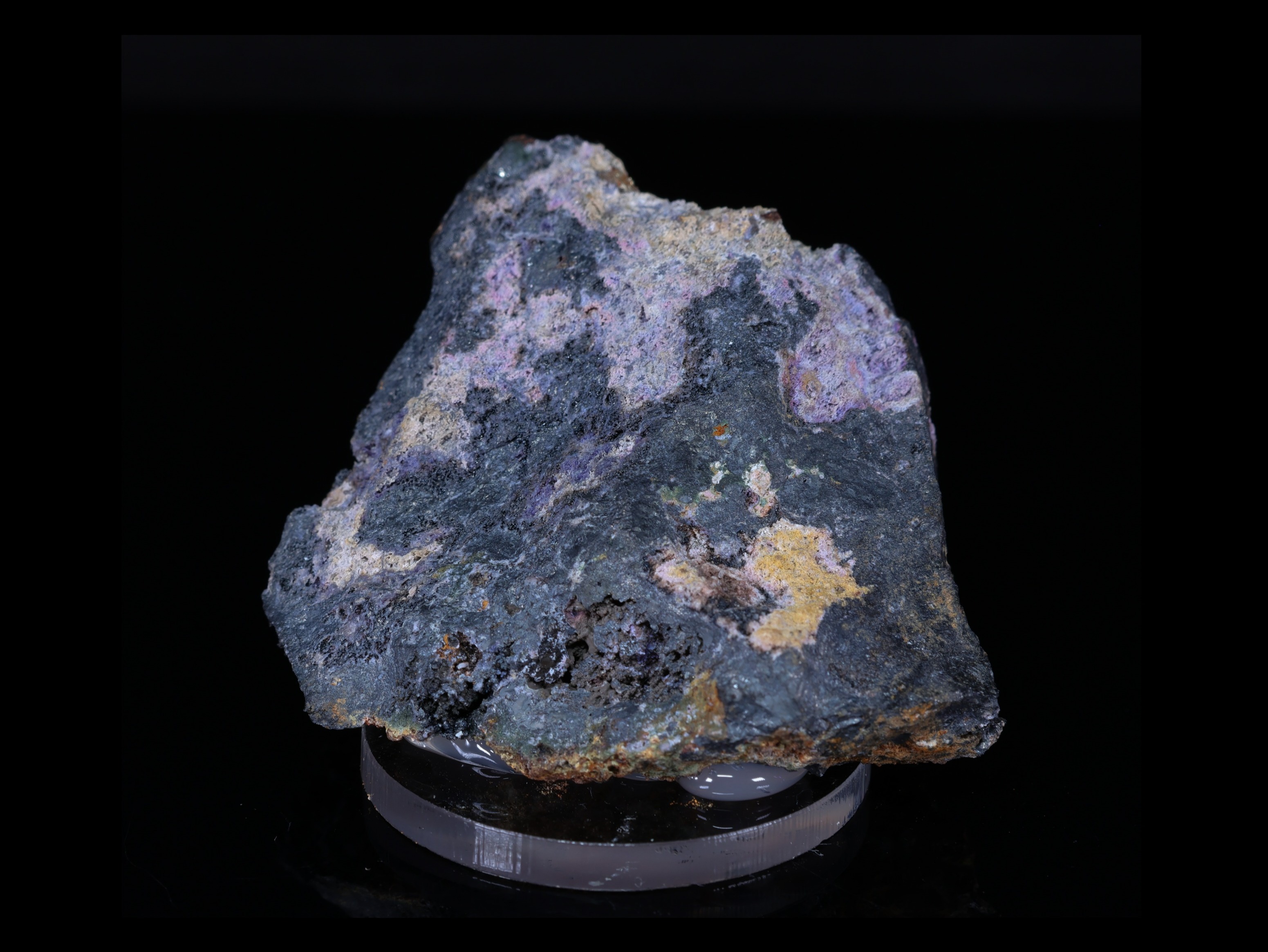
Phosphosiderite is a rare hydrated iron phosphate, valued by collectors for its characteristic purple and pink colors.
Properties
- Mohs hardness
- 3.5-4
- Luster
- Szklisty do perłowego
- Streak
- Biała
- Density
- 2.74
- Cleavage
- On {010}, good; on {001}, indistinct.
- Fracture
- Nierówny
- Transparency
- Transparent,Translucent
- Crystal system
- Monoclinic
Diagnostic features
## Identification Phosphosiderite can be identified by its characteristic colors, especially purple and pink shades. Observing its habit in the form of radial or fibrous aggregates is also helpful. A hardness of 3.5-4 on the Mohs scale distinguishes it from harder minerals. A vitreous to pearly luster is also a diagnostic feature. ## Distinguishing from Similar Minerals Phosphosiderite is sometimes confused with strengite, which has an identical chemical composition but a different crystal structure (orthorhombic). Differences in crystal habit and precise X-ray analysis allow for their differentiation. Similar colors can also lead to confusion with purpurite, but purpurite is usually harder and has a different genesis. ## Crystal Forms Phosphosiderite crystals are rare and usually small, with a tabular or prismatic habit. It most often occurs as radial, fibrous, or spherical aggregates, as well as in compact masses. These aggregates can form attractive, radial clusters.
Geological environment
## Genesis Phosphosiderite is a secondary mineral, formed in the oxidation zones of phosphate deposits, often as a result of the weathering of other phosphate minerals, such as triphylite or lithiophilite. It forms in iron- and phosphorus-rich environments, under conditions of low temperatures and pressures. ## Mineral Associations Phosphosiderite often co-occurs with other phosphate minerals, such as strengite, vivianite, rockbridgeite, as well as iron minerals like limonite or goethite. It can also be found in association with quartz and other silicate minerals. ## Localities Known localities of phosphosiderite are found in many places around the world. Important ones include: Hagendorf in Bavaria (Germany), where some of the first specimens were found; Bull Moose Mine in Custer County, South Dakota (USA); Palermo Mine in Grafton County, New Hampshire (USA); and in Portugal, Spain, and Brazil.
Rarity
Uncommon
For collectors
## Quality Criteria The most prized phosphosiderite specimens are characterized by intense, uniform color, especially in shades of purple and pink. The purity of the mineral and the absence of visible damage or inclusions are also important. Large, well-formed radial aggregates or crystals are particularly sought after. Transparency and luster also contribute to the attractiveness of the specimen. ## Popular Localities The most prized phosphosiderite specimens usually come from classic localities, such as Hagendorf in Germany, where historical specimens of exceptional color were found. Other important sources include the Bull Moose Mine and Palermo Mine in the USA, known for their well-formed crystals and aggregates.
Care and storage
## Cleaning Phosphosiderite is a relatively soft mineral, so it requires gentle cleaning. It is best to use a soft cloth or brush and lukewarm water. For heavier dirt, a small amount of mild soap can be used, then rinse the specimen thoroughly with clean water. After washing, it should be dried with a soft cloth. ## What to Avoid Avoid using aggressive chemicals, such as acids or strong detergents, which can damage the mineral's surface or change its color. Phosphosiderite is sensitive to high temperatures and prolonged exposure to sunlight, which can lead to color fading. Due to its softness, this mineral is susceptible to scratches, so it should be handled with care. ## Storage Phosphosiderite is best stored in closed display cases or boxes, away from direct sunlight and heat sources. It is advisable to place it on a soft pad to prevent scratches. Due to its sensitivity to moisture, stable storage conditions should be ensured, avoiding sudden changes in temperature and humidity.